01 / ENGINEERING NOTES
Conditioning follows the output
IEPE sensors need constant current; charge-output sensors need charge conditioning; bridge sensors need excitation and differential amplification. Confirm channel count, gain, bias, cable capacitance, voltage swing and usable bandwidth. Bridge cables require the specified excitation/signal conductors; a two-conductor coax is not a bridge harness.
02 / ENGINEERING NOTES
Mounting & thermal protection are functional components
Review the adapter drawing, diaphragm position and seal against the actual pressure, temperature and medium. Validate coating/screen effects on dynamic response. Copper and polymer seals are not universally interchangeable.
03 / ENGINEERING NOTES
Budget allowances
The amounts below are indicative requests for quotation. A 200 kHz conditioner target should not be presumed to preserve a 0.8 μs edge. Final configuration, technical acceptance, pricing and lead time require written confirmation.
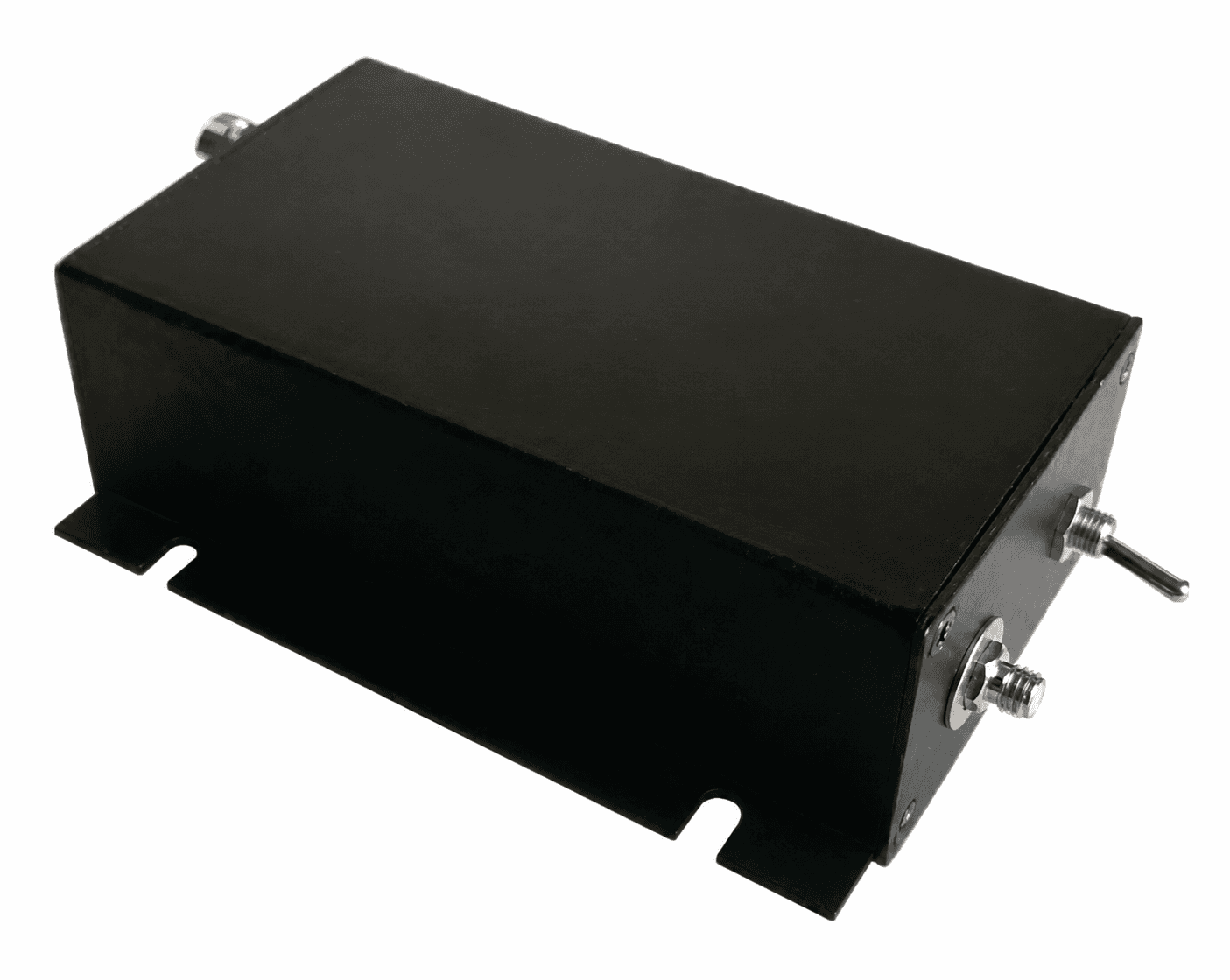
These are source references. The T499 is a charge amplifier with a source response of 0.5 Hz–100 kHz (−3 dB±1 dB), 1–10 mV/pC gain and ±10 V output; it is not a 200 kHz IEPE instrument. Sensor temperature and conditioning limits require separate review.
SOURCE-DOCUMENTED HARDWARE REFERENCES
Review the package and its sensing principle.
These supplier-reference images show the indicated arrangements. Final pressure, medium, dimensional and response requirements are confirmed for the proposed configuration.
Sources and scope of the comparison
Original-model facts and general methods describe their named sources. They do not qualify a PPS unit or imply manufacturer affiliation.